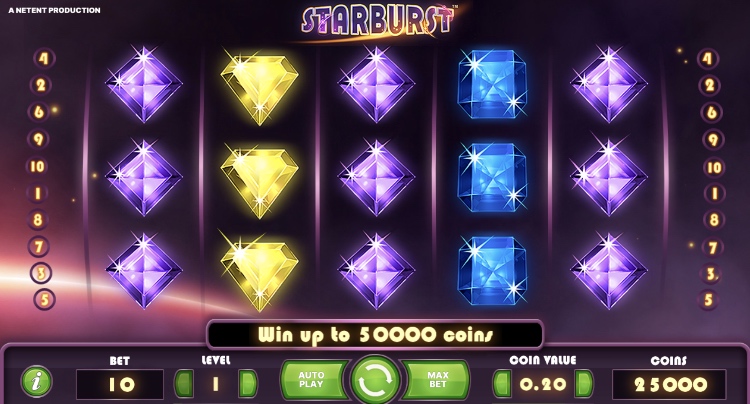
Comprehending volatility aids players choose games that match their bankroll size, session length, and risk tolerance. Starburst Slot is a low-volatility classic that pays small wins frequently, yet many newer titles offer medium or high volatility options with different payout patterns. By evaluating how each level acts during normal play and bonus rounds, we can decide when to stick with steady returns or change to riskier reels that seek larger payouts.
Understanding Volatility in Current Slot Design
Volatility determines how often a slot awards and how big those payouts usually are. Low-variance games like Starburst Slot award small line hits on the majority of spins, maintaining balances stable. Medium-volatility titles balance frequency and size, while high-volatility reels may go dormant for dozens of spins before yielding a one large return. Developers set these patterns through reel weighting, symbol distribution, and bonus math, so reviewing the published volatility label on the game’s information screen is the fastest way to understand what to expect.
Players who overlook volatility often misestimate session length. A low-volatility choice can extend a small deposit across hundreds of spins, but a high-volatility game might consume the same deposit in minutes. Starburst Slot’s low rating makes it suitable for informal sessions, but anyone wanting bigger swings should seek titles specifically marked medium or high. The label appears in the paytable or help menu, so confirming it before loading credits avoids unpleasant surprises.
Reel weighting also governs how symbols fall across paylines. Low-volatility titles place high-paying icons uniformly, so every few spins generates at least a minor return. High-volatility reels concentrate those identical symbols into narrow windows, producing long gaps between wins. Because the math model is fixed at release, no strategy alters the underlying frequency; only the player’s selection of game can alter the experience.
Fluctuation and the Distribution of Max Win Chance
Maximum win figures are capped by reel layout and bet multiplier, yet volatility influences how often those caps are reached. Low-volatility Starburst Slot maxes at modest multiples because frequent small payouts leave less room for a single enormous hit. High-volatility reels can list theoretical maxima above ten-thousand times the stake, but reaching them demands the exact combination of stacked symbols and multiplier features that the math model reserves for rare moments.
Setting a personal target multiple before starting assists decide the appropriate volatility. If our goal is two-hundred times the stake, a medium-volatility game offers reasonable odds within a manageable number of spins. Chasing several-thousand times the stake demands high volatility and a correspondingly larger bankroll to survive the dry spells between big outcomes.
Hit frequency for the top prize also differs. In low-volatility games the top prize may appear once every 150,000 spins, while high-volatility titles stretch that interval to several million spins. Knowing these odds before we begin avoids disappointment when the jackpot graphic stays out of reach during a single session.
Adjusting Volatility to Certain Bet Ranges
Starburst Slot accepts bets from a few cents up to several euros per spin, and its low volatility keeps outcomes predictable across that entire range. When we raise the stake on a high-volatility game, the absolute size of both wins and losses grows proportionally, so bankroll requirements increase faster than the bet multiplier suggests. Exploring a new volatility level at the lowest allowed stake uncovers its rhythm without risking large amounts.
Many platforms present minimum and maximum bets directly on the game tile. Picking a volatility level first, then confirming the bet limits, avoids situations where a high-volatility title demands a minimum stake that surpasses our planned session budget. This two-step check maintains risk aligned with available funds.
Bet sizing also interacts with volatility through the concept of ruin probability. A €100 bankroll on a €2 high-volatility spin faces a higher chance of total loss than the same stake on a low-volatility game. Adjusting bets downward on high-volatility titles prolongs survival time and offers the math model room to deliver its occasional large returns.
Prolonged Gaming and the Impact of Volatility Management
Over several thousand spins, every slot settles toward its advertised payout percentage, yet risk level still dictates the course chosen. Low-risk titles such as Starburst Slot keep mid-session outcomes within a narrow band, making them ideal for extended sessions without big top-ups. Medium-volatility titles introduce moderate dips that try composure but rarely threaten the entire bankroll. High-risk slots can create extended droughts followed by individual returns that go beyond the opening balance, benefiting players who hold adequate funds.
One effective management strategy is to split a extended gaming period into compact intervals separated by short breaks. After each block we assess the funds against a pre-set loss or profit threshold. If the present variance rate pushes results outside those lines repeatedly, we switch to a different game rather than chase recovery within the same math model.
Another approach is to keep a safety buffer equal to 20% of the play money untouched until the closing interval. This reserve serves as safeguard against an unusually long dry spell on a high-volatility title. When the primary funds stays above the stop-loss line, the reserve is still on hand for an additional segment; otherwise it funds an controlled departure and preserves resources for the next time.
Selecting Volatility Based on Spare Playing Time
A ten-minute window fits low-volatility games because the probability of ending close to the starting balance is high. Starburst Slot’s frequent line hits offer entertainment value even when the session must end abruptly. Medium-volatility titles need at least thirty minutes for bonus features to appear at expected rates, while high-volatility reels require an hour or more before their payout distribution stabilises.
Scheduling session length in advance and matching it to volatility prevents the common mistake of loading a high-volatility game when only a short break is available. If time is uncertain, starting with a low-volatility option and moving upward only if the session extends keeps expectations realistic.
Time-of-day factors count too. Late-night sessions often feel shorter than they are, so a low-volatility choice protects against accidental overtime. Conversely, weekend afternoons allow longer blocks, making medium- or high-volatility titles practical when we have confirmed at least ninety minutes of uninterrupted play.
Hands-on Steps to Assess Volatility Prior to Real-Money Play
Many platforms provide demo versions that employ the same reel weights as the real-money game. Launching Starburst Slot in demo mode and tracking the balance after five hundred spins gives a baseline for low-volatility behavior. Performing the test with a medium-volatility title and then a high-volatility title yields comparable data sets that reveal the differences without financial risk.
After each test we note three figures: lowest balance reached, highest balance reached, and number of spins between bonus triggers. These numbers measure volatility more accurately than marketing labels alone. Once the preferred profile is determined, we can confidently choose real-money stakes that fit both bankroll and playing style.
Advanced testers also track the exact spin count when the balance first drops below fifty percent of the starting amount. Re-running this measurement across ten separate demo sessions yields an average that smooths out random streaks. Comparing that average across volatility levels gives a reliable yardstick for selecting the right game on any given day.
In what manner Volatility Shapes Short-term Bankroll Movement
During a thirty-minute session, a low variance slot seldom drops more than twenty percent from the initial balance, while a high-volatility option can swing fifty percent or more either way. Starburst Slot’s expanding wilds trigger often enough to compensate for losses, generating a mild trajectory rather than sharp spikes. Recording balance after every fifty spins shows the pattern clearly and aids decide whether to keep playing or switch games.
Quick sessions favor low volatility because the likelihood of coming out ahead stays higher. High-volatility reels need longer play to reach their mathematical return distribution, so a quick spin-and-quit approach generally leads to net loss. By fixing a fixed number of spins in advance and noting the outcome, we discover whether our chosen volatility level matches our available time and budget.

Take a €50 balance on a one-euro stake. In a low variance game the balance may fluctuate between €45 and €55 for the entire half hour. The same stake on a high-risk slot could reach €30 within the first ten minutes before rebounding above €70 or falling further. Observing these ranges in real time teaches us when to reduce stakes or change titles before the session ends.
Emotional Consequences of Various Volatility Profiles
Steady returns from low-volatility slots like Starburst easy registration Slot establish a comforting rhythm that reduces tilt and fosters disciplined stake sizing. The lack of long losing streaks maintains decision-making rational. High-volatility reels, by contrast, can cause emotional swings when balances drop sharply, prompting some players to increase bets in an attempt to recover faster.
- Track emotional state after every one hundred spins.
- Pre-set a cool-down period if frustration appears.
- Switch to a lower-volatility title if stake increases feel impulsive.
Recognising these patterns early protects both bankroll and enjoyment. Keeping a simple log of mood alongside balance changes transforms subjective feelings into observable data that guides future game selection.
Another common reaction is overconfidence after a single large win on a high-volatility game. The brain may perceive that outlier as evidence of skill rather than luck, leading larger bets on the next session. Countering this bias requires returning to the pre-set stake plan regardless of recent results.
Effect of Variance on Bonus Feature Rate
Free-spin rounds, re-spins, and multiplier trails occur with greater regularity in low-variance configurations as the core game currently gives back a large share of bets. Starburst Slot’s growing wild retrigger triggers roughly every twenty spins on typical, illustrating the common but small bonus approach. High-variance games transfer more return into rarer bonus occurrences, so the core game may appear calm until a scatter combination ultimately appears.
Players who like bonus games as fun instead of straight profit should favour medium-variance games. These games plan bonus activations at gaps that appear gratifying with no long waits. Checking the information panel for mean free-spin occurrence, when published, or just recording activations during a demo session provides hard data ahead of dedicating real funds.
Feature retriggers introduce another layer. Low-risk games often grant a couple of additional spins during the bonus, extending gameplay with no significantly boosting the win limit. High-risk titles may allow unlimited retriggers, but the chance of linking them stays low, so the most extended sessions during the bonus round yet belong to the least frequent outcomes.